

Reviewed by John Rowan, Licensed REALTOR® | State-Approved Fraud Education School | ARELLO Affiliate Member | APAAC Instructor
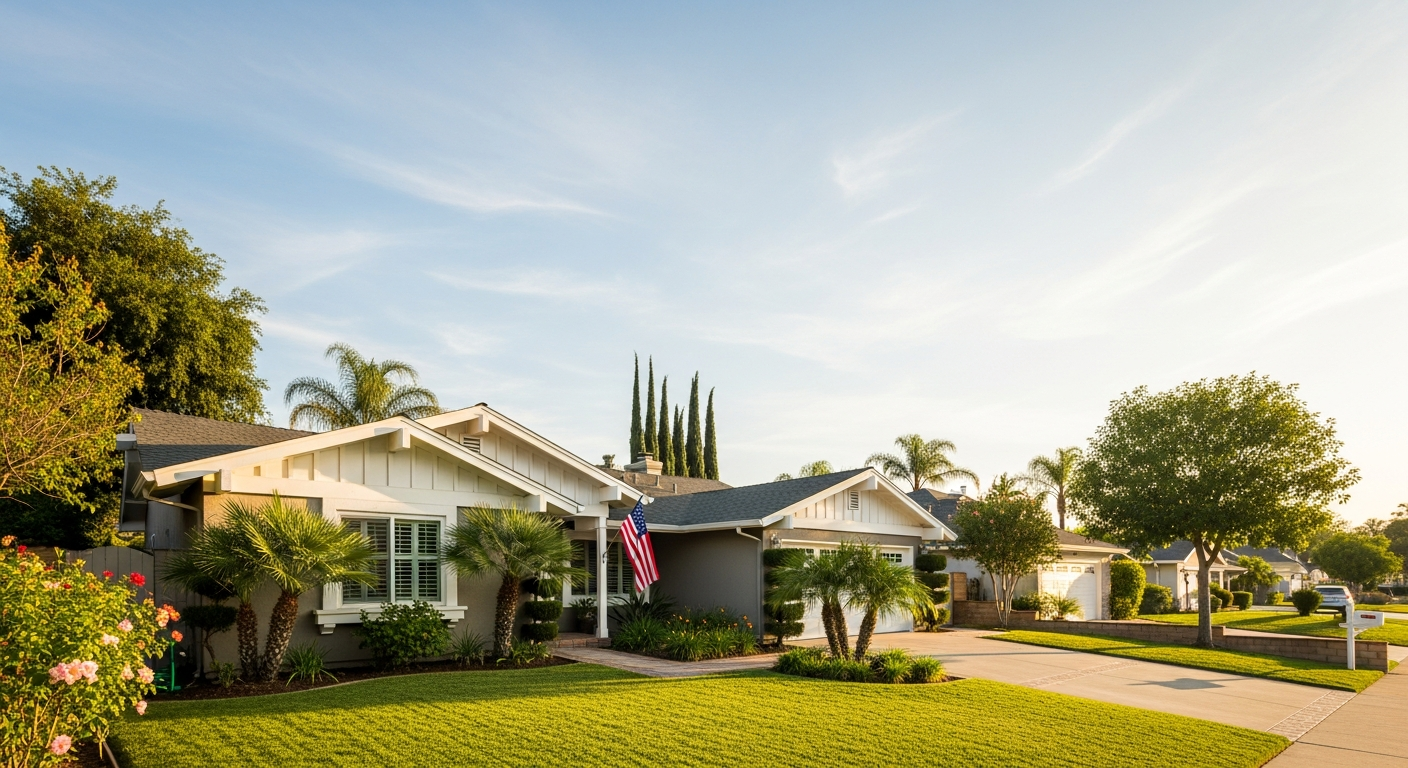
The Justice Department's February 11, 2026 announcement describes allegations involving a Burbank property. A complaint is not a finding of guilt; every defendant is presumed innocent unless proven guilty. The summary below describes that announcement, not a verified current case outcome.
What Happened: A Burbank Home Sold Without Its Owner's Knowledge
On February 11, 2026, federal prosecutors announced three arrests and a search for a fourth defendant concerning the alleged fraudulent sale of a $1.5 million home. Prosecutors alleged stolen identities, forged documents, and falsely notarized deeds.
The three individuals taken into custody were:
- Glenis Cardona, 63, of Highland — a licensed California real estate broker who owned and operated Golden Escrow, with offices in Sherman Oaks and Downey
- Ivan Reyes, 50, of Van Nuys — alleged to have acted as a mortgage broker and submitted fraudulent applications
- Arshak Akopyan, 46, also known as "John Akopyan," of Northridge — alleged to have acted as a mortgage broker and submitted fraudulent applications
The announcement said Basil Tikriti, 54, was at large on February 11, 2026. It alleged that he impersonated the owner and a purported buyer. This article does not establish his later status.
How the Scheme Worked
According to an affidavit filed with the criminal complaint on January 30, 2026, the fraud was carried out between late 2023 and January 2024. The operation began with Cardona's company, Golden Escrow, obtaining a property lien report on the Burbank home — a standard step in real estate transactions that provided the group with detailed information about the property and its ownership.
From there, the four allegedly manufactured an entire fraudulent transaction from scratch. Forged documents included false identity cards, a purchase agreement, a grant deed, a deed of trust, and multiple loan applications. The deeds were falsely notarized and submitted to a mortgage lender, who unwittingly approved and funded a $975,000 loan believing the transaction to be legitimate.
Cardona, in her role controlling the escrow, allegedly represented both the "seller" and the "buyer" — neither of whom ever authorized, approved, or had any knowledge of the transaction. Once the lender deposited funds into escrow, Cardona reportedly directed the money through various third-party entities so that the four could collect the fraudulently obtained proceeds.
The Victims
The DOJ announcement describes the following alleged victims; it does not adjudicate their civil rights or obligations:
- The homeowner — a Burbank man whose property was sold out from under him without his knowledge or consent
- The purported buyer — a person allegedly impersonated in obtaining a $975,000 loan; ultimate liability is not established by the announcement
- The mortgage lender — a company prosecutors say unwittingly funded the loan
- The title company — an insurer that underwrote the transaction without any knowledge of its fraudulent nature
The case illustrates a critical vulnerability in real estate transactions: when a licensed professional with escrow access is allegedly complicit in the fraud, the usual safeguards built into the system — independent title review, lender verification, escrow oversight — can all be circumvented from the inside.
Prior Regulatory History
This article does not establish the defendants' prior disciplinary histories. Check the regulator's actual orders and current license records before relying on a claim about discipline; an accusation is not a final order.
Check the relevant regulator's current license and published disciplinary records. California's DRE and Arizona's ADRE offer official license resources. Not every complaint is public, and a clean license lookup does not authenticate a specific transaction.
Investigation Status
The February 11 announcement identified the FBI and Burbank Police Department as investigators and stated a statutory maximum of 30 years if convicted. A maximum is not a predicted sentence. No later disposition is asserted here.
What This Case Tells Us About Fraud in 2026
This is not an isolated incident. It is a window into how deed fraud and identity-based real estate schemes work at their most sophisticated level — and why relying solely on the professionals in a transaction for protection is not enough.
Prosecutors alleged misuse of a lien report, identities, transaction documents, and escrow access. These allegations should not be retold as convictions or proof that every professional safeguard failed in a particular way.
Investigate suspected fraud promptly. The procedure, cost, and outcome of resolving disputed title depend on the jurisdiction and facts; seek local legal advice.
What Every Homeowner Should Do Right Now
You don't have to wait for a fraud to happen to you. The tools to detect unauthorized activity on your property exist today, they are free, and they take minutes to set up.
- Ask your county about recording notifications. Follow its current enrollment, matching, and delivery rules. Do not assume every county has an opt-in instant-alert service.
- Use Property Visibility as a starting point. Available records and a guided self-check are not a complete title history, equity or occupancy assessment, or ownership verification.
- Scan any suspicious document or communication immediately. The HFD Fraud Scan at homefrauddefense.com analyzes any message, email, link, or document for fraud indicators in seconds — free.
- Arrange oversight when away. Ask a trusted person to report unfamiliar listings or activity, and keep your tax mailing address current.
Real estate fraud does not discriminate. It targets occupied homes, vacant parcels, rental properties, and estates. It is carried out by strangers — and, as this case demonstrates, sometimes by licensed professionals. Vigilance, free county recorder alerts, and the right educational tools are the most effective protections available to homeowners.

Grace McKennon
Contributing Editor · Home Fraud Defense™ — Grace covers real estate fraud legislation, consumer protection, and property crime prevention.

John Rowan — Reviewer
Licensed REALTOR®, founder of Home Fraud Defense™, state-approved fraud school operator, and APAAC-certified instructor teaching real estate fraud CLE to prosecutors.
Source: DOJ's February 11, 2026 announcement linked above, describing a January 30 complaint and affidavit. All defendants are presumed innocent unless proven guilty. Later case status has not been established in this article.