Reviewed by John Rowan, Licensed REALTOR® | State-Approved Fraud Education School | ARELLO Affiliate Member | APAAC Instructor

Arizona enacted new recording, notification, penalty, and notarial provisions in 2026. This article describes the enacted text rather than treating all related proposals as law.
SB 1479, Chapter 31, was approved April 9, 2026. The Secretary of State lists September 12, 2026 as its effective date. The separate assessor-system deadline is January 1, 2027.
What Is Driving This Legislative Wave?
A forged deed can create an apparent claim in public records without establishing lawful ownership. Recording requirements and remedies vary; ask a local attorney about disputed documents.
Legislative responses should be evaluated by their actual provisions, not unsupported national rankings or complaint totals. No provision described here guarantees prevention or recovery.
Distinguish the Final Law From Earlier Proposals
Committee approval, passage by one chamber, and enactment are different events. Use the final session law for compliance, not a summary of an earlier bill version.
HB 2080 — Identity Verification and the Penalty Upgrade
House Bill 2080, introduced by Rep. Selina Bliss (R-District 1), passed the House Government Committee unanimously with bipartisan support in February 2026. The bill targets the front door of the fraud problem: the county recorder's window.
The House's February 19, 2026 release describes HB 2080's committee-stage proposal, including photo ID, alerts, and penalties. It is not evidence that every provision became law.
The enacted SB 1479 requires assessors to establish a voluntary notification system by January 1, 2027 for specified ownership and mailing-address changes. That deadline does not mean every county's system is already operational.
The committee-stage release discussed a Class 4 penalty. The enacted SB 1479 uses Class 5 for the specified knowing false-claim or forgery filing. Do not use the earlier proposal's penalty as the final rule.
SB 1479 — The Bill That Closed the Loophole Nobody Knew Was Open
SB 1479 is enacted, as Chapter 31 confirms. Its final text controls the provisions summarized here.
The law includes in-person recording identification, assessor notifications, affidavit contact information, notary journal provisions, and a Class 5 penalty for the specified filing offense.
Section 4 repeals A.R.S. § 12-524. Do not infer that repeal automatically resolves existing title disputes, applies retroactively, or eliminates every limitation period. Obtain legal advice promptly.
A statute's passage does not itself validate or invalidate a particular deed; courts and applicable procedures resolve disputed claims.
HB 2842 — An Early-Alert Proposal
House Bill 2842, introduced by Rep. Patty Contreras (D-District 12) and co-sponsored by members of both parties including Rep. Bliss and Sen. Carroll, addresses a gap that the other two bills do not: the period between when a fraudulent sale is initiated and when it reaches the recorder's office.
The introduced HB 2842 text proposed escrow reporting tied to specified events and an ADRE opt-in early-alert system. This source is a proposal, not confirmation of enactment or an operating service.
Do not assume an escrow agent must make this proposed report or that owners can enroll today. Verify current law and agency implementation directly. A notification would not itself guarantee that a transaction stops.
SB 1254 — Requiring the Buyer to Say Yes
Other bills have addressed deed acceptance. This guide does not verify SB 1254's final status or instruct filers to follow a proposed requirement. Ask the recorder and your attorney for the currently applicable recording rules.

Notary Thumbprints: A Small Step With Big Implications
SB 1479 requires the signer's right thumbprint for specified real-property documents and powers of attorney, with alternative-print and inability provisions. For a remote notarization, the exception requires both the credential number in the journal and retention of the audiovisual recording for at least seven years.
A journal entry may provide evidence, but it is not an infallible identity check. Notaries should follow the final statute and Secretary of State guidance rather than this educational summary alone.
The Existing Safety Net: Arizona's County Alert Systems
County recording alerts and the new assessor notifications serve different functions. Ask your county about current enrollment options and what identifiers its system matches.
The most accessible entry point for most Arizona homeowners is the Maricopa County Title Alert system at recorder.maricopa.gov/MaricopaTitleAlert. Other county-specific systems include Pima County's Fraud Guard, Yavapai County's Eagle Fraud Alert, and Pinal County's Recording Notification Service.
Maricopa's free program matches registered names for recordings after enrollment. Keep your contact details current and review matched documents. Alerts do not promise instant delivery, complete detection, or a block on recording.
How Other States Are Responding
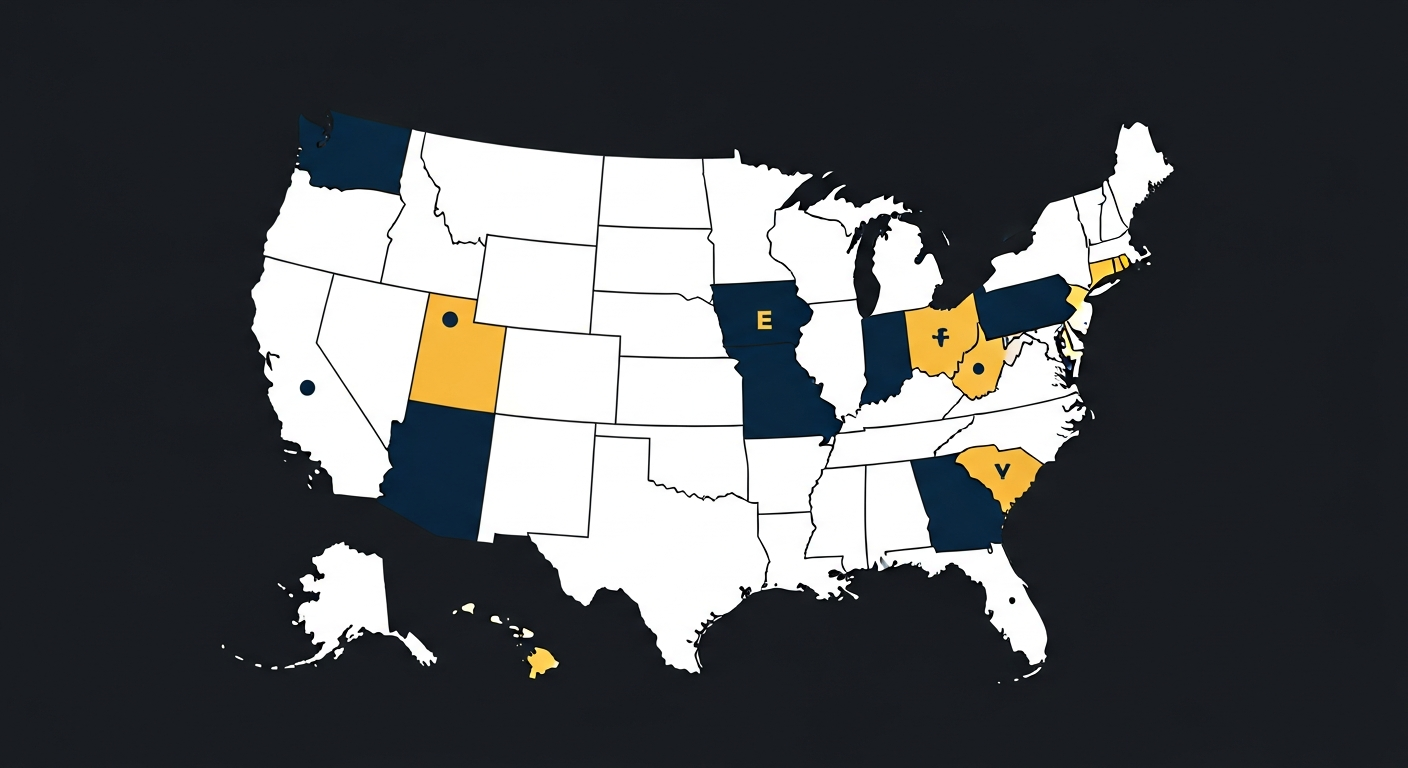
Recording, notary, and title-dispute procedures are state-specific. Arizona's rules should not be applied to a property elsewhere.
Georgia: confirm filing and notary procedures with the relevant superior court clerk and current state guidance.
Texas: consult the current statutes, county clerk, and a Texas attorney about suspected forged documents; a lien purchase is not the same as acquiring title.
Ohio: consult the county recorder and auditor about local records and notifications, and counsel about any disputed conveyance.
This article does not rank states or promise a uniform expedited remedy, mandatory fee award, or automatic voiding of a recorded instrument.
The National Picture: Who Is Most at Risk?
Seller impersonation may involve vacant property, unencumbered land, or an owner who is difficult to contact. These features do not prove fraud, and a mortgage does not guarantee that a lender monitors every recording.
Owners should investigate specific discrepancies rather than assume that a state, city, age group, or property type establishes an individual risk level.
Fraud complaints capture reported experiences, not every incident. Check the FBI IC3 annual reports for category definitions and reporting periods. Do not interpret broad real estate complaint totals as deed-theft counts.
What Every Homeowner Should Do Right Now
SB 1479 took effect September 12, 2026 according to the Secretary of State; the assessor deadline is later. Neither a law nor an alert automatically prevents fraud.
- Ask about recording alerts. Use your county's official website, follow its enrollment rules, and keep your contact details current.
- Check your property records directly. Search your county assessor and recorder websites to verify that you are the owner of record, your mailing address is correct, and no unexpected liens or transfers appear. Do this at least once a year.
- Use Property Visibility as a starting point. It provides an available snapshot and self-check, not an authenticated title history, equity assessment, or continuous monitoring.
- Arrange oversight when away. Ask a trusted person to report unexpected listings, visitors, or work at the property.
- Report suspected fraud promptly. If funds were sent, contact your bank immediately to request a recall or freeze. Notify law enforcement and IC3; contact your county recorder or attorney for suspected document fraud. There is no guaranteed recovery window, and you should still report an incident even if time has passed.
The Bottom Line
Use SB 1479's final text: Class 5 for the specified filing offense, recording ID rules, notary journal requirements, repeal of § 12-524, and the assessor notification deadline.
Earlier proposals and committee announcements are useful history, not substitutes for the enacted law or current agency instructions.
The laws help. But they are not enough on their own. Every protection starts with an informed homeowner who knows what to look for, has enrolled in available alert systems, and knows what to do when something looks wrong.
That is what Home Fraud Defense™ was built to provide — and that is why we make every tool free for every homeowner, in all 50 states.

Grace McKennon
Contributing Editor · Home Fraud Defense™ — Grace covers real estate fraud legislation, consumer protection, and property crime prevention.

John Rowan — Reviewer
Licensed REALTOR®, founder of Home Fraud Defense™, state-approved fraud school operator, and APAAC-certified instructor teaching real estate fraud CLE to prosecutors. John personally survived a deed fraud attempt and helped police identify and stop an active fraud ring targeting homeowners — the experience that led him to build this platform.
Educational summary checked against the linked session law and Secretary of State guidance on October 2, 2026. This is not legal advice. Proposed programs are not represented as enacted or operational. Consult an Arizona attorney about your facts.